Testosterone Replacement Therapy
Regain your strength, energy, and confidence!
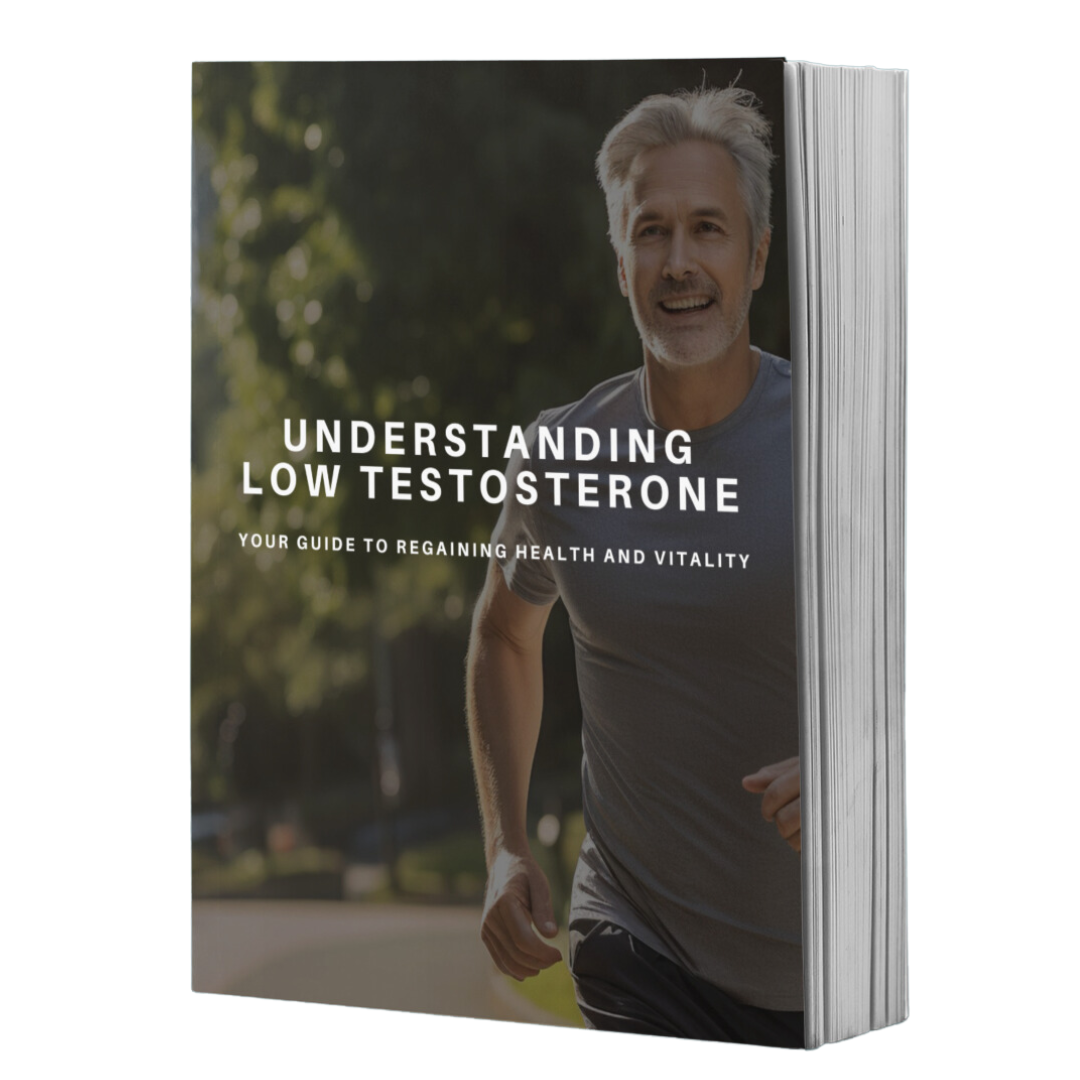
Ready to learn more?
Get our free e-book!
How Low Testosterone Affects Men
Chronic Fatigue
Feeling constantly drained? Chronic fatigue isn’t normal at any age and can impact your work performance, health, and outlook on life.
Decreased Libido
A drop in testosterone can lead to a noticeable decrease in libido. Fortunately, this is a temporary issue that our treatment can effectively address and reverse.
Erectile Dysfunction
Low testosterone (Low-T) often contributes to erectile dysfunction, making intimate moments feel challenging and frustrating.
Difficulty Concentrating
Testosterone plays a key role in focus, mental clarity, and memory. Low levels can result in difficulty concentrating and staying sharp.
Mood Changes & Depression
Low testosterone is linked to mood swings and can increase the likelihood of depression. Studies have shown a strong connection between low testosterone levels and depressive symptoms in men.
Muscle Loss & Increased Fat
Testosterone is essential for muscle growth. With low testosterone, maintaining muscle mass becomes harder, and fat gain is more likely.
Benefits of
Testosterone Replacement Therapy
Increased Energy & Stamina
Say goodbye to fatigue and hello to consistent energy. TRT can restore vitality, helping you stay active and engaged.
Enhanced Libido and Sexual Performance
Reignite your passion and confidence. TRT can boost libido and improve sexual satisfaction, restoring intimacy in your life.
Improved Muscle Mass & Strength
TRT supports muscle growth, making it easier to maintain strength, tone, and reduce body fat.
Sharper Focus & Mental Clarity
Achieve better mental sharpness. Balanced testosterone can improve focus, clarity, and memory.
Stabilized Mood & Reduced Anxiety
TRT helps reduce irritability, anxiety, and mood swings, allowing you to enjoy a more balanced, positive outlook.
Healthier Bone Density
Protect your bones as you age. Healthy testosterone levels support bone density, reducing the risk of osteoporosis.
Faster Recovery & Reduced Joint Pain
With TRT, your body may recover more quickly from physical activities and reduce joint pain or discomfort.
Better Overall Quality of Life
With balanced testosterone, you can experience improved physical, mental, and emotional health, leading to a more fulfilling life.
Why Does Testosterone Decrease?
Testosterone is a vital hormone that plays a crucial role in regulating sex drive, bone density, fat distribution, muscle mass, and physical strength in men. While it’s natural for testosterone levels to decline with age, other factors can also contribute to low testosterone, including lifestyle, environment, and overall health.
Natural Decline with Age
Testosterone levels typically decrease by about 1-2% per year after age 30, which can lead to noticeable symptoms over time.
Environmental & Lifestyle Factors
Factors such as poor diet, lack of exercise, chronic stress, exposure to toxins, and insufficient sleep can all contribute to lowered testosterone levels.
Prevalence of Low Testosterone
In the U.S. alone, up to 13 million adult men are estimated to have low testosterone—around 25% of the male population.
%
Men with low testosterone are 30% more likely to develop obesity.
%
Approximately 2 out of 5 men with low testosterone also have diabetes.
%
Men with low testosterone are 20% more likely to experience cardiovascular disease.
Health Risks Associated With
Low Testosterone
Anemia
Research shows that men over 65 with low testosterone levels have a significantly increased risk of anemia compared to those with normal levels, affecting energy and overall health.
Cardiovascular Health
Low testosterone is associated with an increased risk of cardiovascular issues, including high blood pressure, arterial stiffness, and other heart-related conditions.
Diabetes Risk
Men with low testosterone are more likely to develop diabetes later in life, and there’s also a strong link between existing diabetes and low testosterone levels.
Obesity
Low testosterone is often tied to higher body fat. Men with more fat tend to have lower testosterone levels, and those with low testosterone are more likely to gain excess weight.
Aging and Low Testosterone
As men age, vital hormone levels naturally decline, increasing susceptibility to illness and disease. Older men with low testosterone face a higher mortality risk than those with healthy levels.
Ready to experience these benefits?
Talk to a specialist today!
"*" indicates required fields